
This article delves into the complexities of hoarding disorder, exploring its causes, signs, and the emotional distress it can inflict. It emphasizes the importance of compassion, patience, and understanding when supporting individuals struggling with hoarding behaviors.
Hoarding becomes a significant problem when the amount of possessions starts interfering with everyday activities, relationships, and safety. Some of the biggest signs are that the collections or behaviors are interfering with relationships, interfering with safety, or causing significant interference or problems with finances, being able to work, or being able to complete basic chores or tasks of daily life.
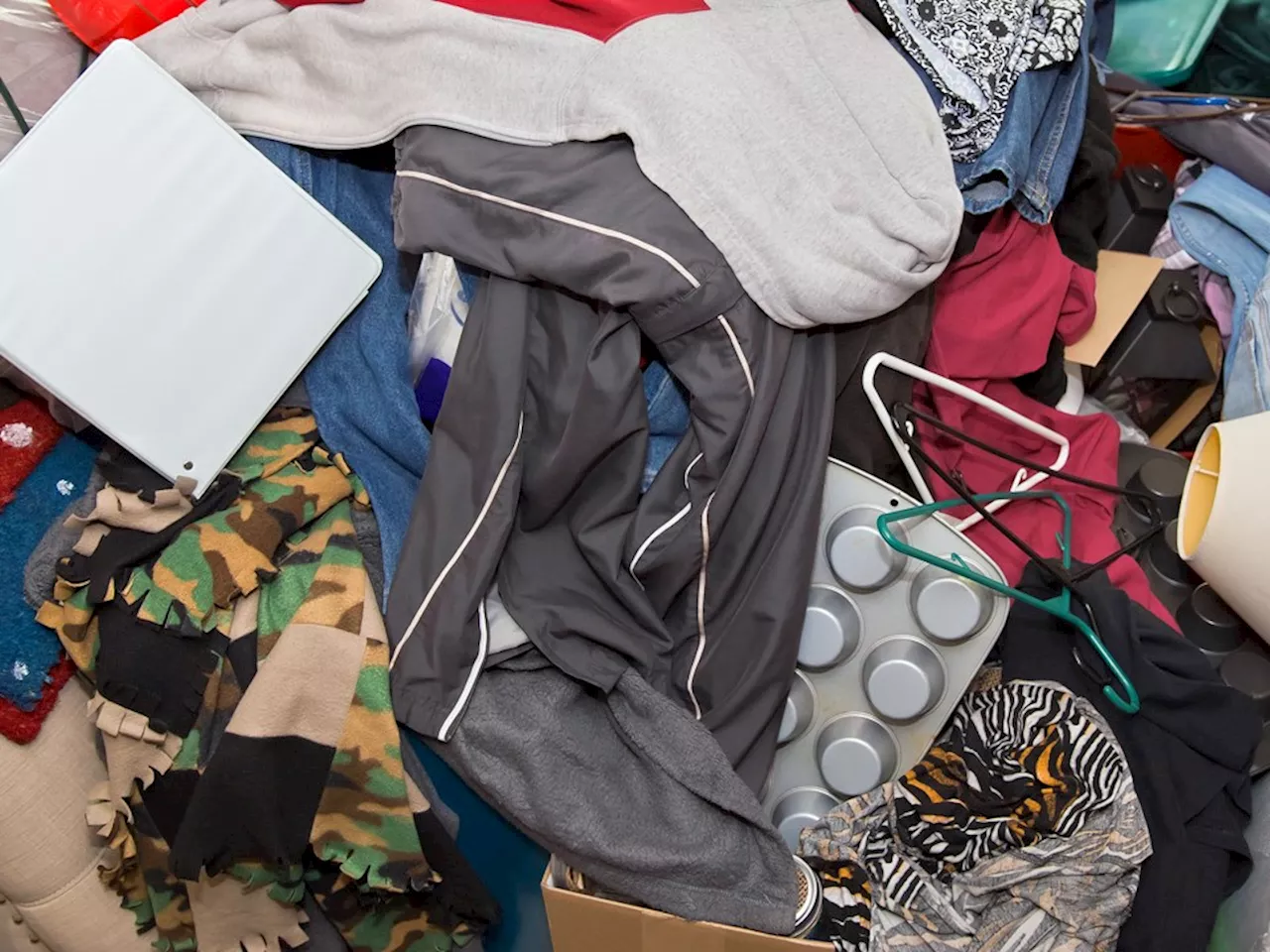
Another indication of a hoarding problem is when spaces no longer serve their intended purpose. For example, when the kitchen counters are so packed with things that the person has no place to prepare food, or when the bathtub is full of magazines so the person cannot bathe, when they can only sleep on a portion of the bed—you know there is a problem and that hoarding behaviors are present. People who hoard have a very hard time parting ways with their belongings, mainly because of fear. There’s a lot of fear… fear of waste, fear of needing something in the future, even though they can’t identify what the future would have to look like in order for this thing to be used. Cognitively, it’s difficult because the executive function part of the brain is really compromised. And research has shown that early trauma can precipitate hoarding behavior. Crea-Kammerer adds that people overly accumulate things because they attach deep meaning to them or feel like they can get joy out of them in times of distress in their lives. This emotional attachment makes it harder for people to see it as a problem. Hoarding issues gradually develop over time privately, so they often go unnoticed by family and friends, fostering their inability to part ways with their possessions. Some people who have this disorder are aware of it but feel reluctant to seek help because they feel shame, humiliation, or guilt about it. So it’s usually family and friends who can help them get better once they notice what their loved one is going through. It’s very important that they do, as a house brimming with clutter can be a dangerous safety hazard. It’s important to approach the situation with sensitivity and understanding. During the process of decluttering, the person with hoarding disorder might experience a surge of negative emotions. As they or someone else is sorting through their possessions, they might feel anxious, stressed, and uncomfortable, which can make them backtrack and rethink their decision to get better. The sudden surge of upsetting emotions can cause them to start buying and accumulating even more stuff. People can feel more pressure to keep items after having chosen to do so repeatedly before (a “sunk cost” fallacy). It can be difficult to “give up” on holding onto items after expressing so strongly to others that they needed them or that they had a special purpose; this can fuel those feelings of guilt and depression as well. Therefore, it’s important to take it slow and make sure the person is feeling as comfortable with cleaning up as possible. If the person with a hoarding disorder will allow the help, then proceed slowly. Let the person decide where they want to declutter first. Work for short periods of time on a specific task. Celebrate every time they are successful.In some cases, it might be beneficial to reduce the focus on hoarding behaviors and strengthen the relationship with the struggling person instead. This can be done in ways that are not related to the hoarding behaviors, such as scheduling weekly phone calls to tell them about their life or by continuing to invite them to events that are manageable and do not cause too much distress for everyone involved. “Nurturing more positive feelings and relationships can help to strengthen the person’s ability to regulate their emotions in general and tolerate the distress related to the hoarding behaviors in particular, and it can help fuel their motivation to make change.” However, when hoarding behaviors start posing safety risks, loved ones can communicate their own feelings and limits using nonjudgemental language (this means avoiding saying “good,” “bad,” or unacceptable). “Be ready to accept that the person who struggles with the hoarding behaviors may decline the request. Identify your realistic options for interacting with them (what you are able and willing to do with them, what you can offer, agencies or supports you can contact) and try to choose options that most align with your goals for the relationship. Resources from the Association for Behavioral and Cognitive Therapy (ABCT) can also be helpful for having a conversation when the person is ready to do so.
Hoarding Disorder Mental Health Cognitive Behavioral Therapy Support Family Safety Decluttering Emotional Regulation
Canada Latest News, Canada Headlines
Similar News:You can also read news stories similar to this one that we have collected from other news sources.
 The Winter Blues: Understanding Seasonal Affective DisorderThis article explores the phenomenon of Seasonal Affective Disorder (SAD), a type of depression linked to changes in seasons. It delves into the physiological mechanisms behind SAD, explains its prevalence, and offers insights into how light influences mood and well-being.
Read more »
 Burnaby Strata Case Dismissed Over Hoarding ComplaintsA Burnaby homeowner's complaint against his strata corporation for not addressing alleged hoarding issues from his neighbors was dismissed.
Read more »
 Shannen Doherty Admits to Emotional Attachment to Possessions, Questions Hoarding LabelActress Shannen Doherty opens up about her tendency to accumulate items, acknowledging an emotional connection to them but hesitating to label herself a hoarder. She discusses her childhood in a wealthy family where storage was plentiful and her continued habit of using storage units, even renting ones the size of 'shipping containers.' Doherty admits that letting go of sentimental items is difficult but finds joy in passing down her clothing to her daughter.
Read more »
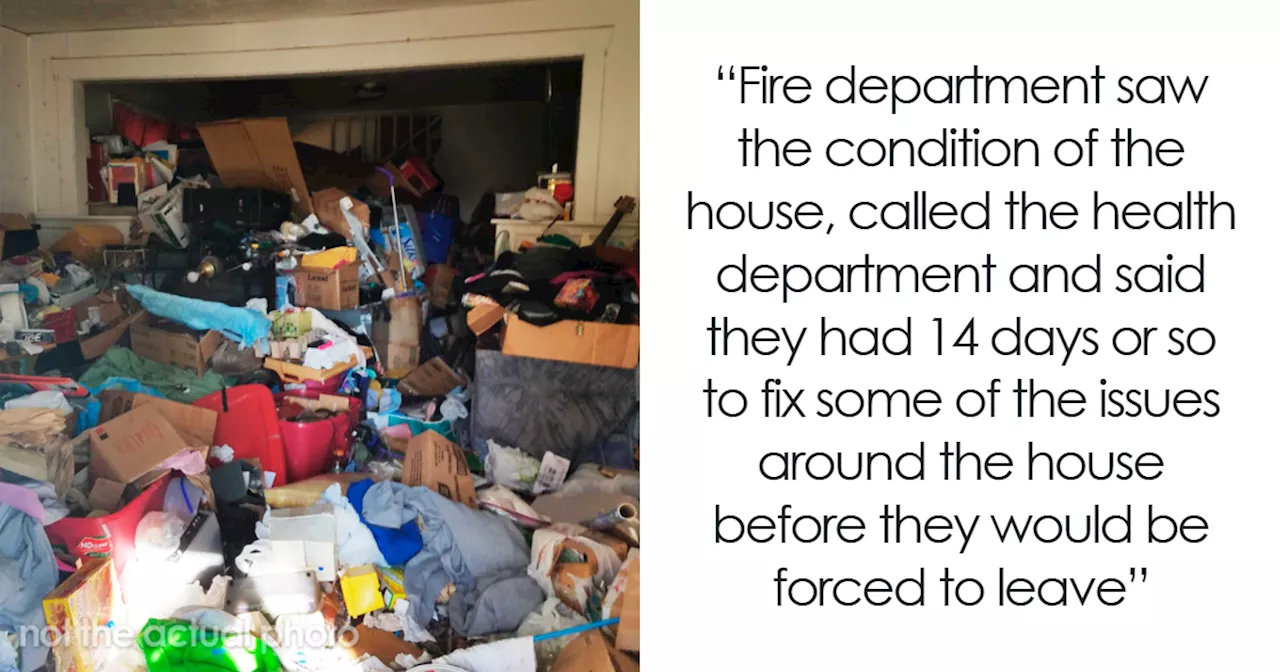 Hoarding Disorder: More Than Just ClutterThis article explores hoarding disorder, highlighting its impact on daily life, the emotional struggles associated with it, and the importance of understanding it as a mental health condition. It delves into the challenges of treatment, emphasizing the need for patience, therapy, and sometimes medication. The article also stresses the role of family and friends in recognizing and supporting individuals struggling with hoarding.
Read more »
 The Hidden Dangers of Hoarding: More Than Just ClutterHoarding disorder is a serious mental health condition that goes beyond simply collecting too many possessions. It significantly impacts daily life, causing distress and safety hazards. Understanding the complexities of hoarding, the reasons behind it, and the importance of seeking help is crucial for both those who hoard and their loved ones.
Read more »
 Understanding and Helping Someone with Hoarding DisorderHoarding disorder is a serious mental health condition that can significantly impact a person's life. This article explores the signs, causes, and challenges associated with hoarding, while offering guidance on how to support loved ones struggling with this issue.
Read more »