
From the passenger pigeon to the woolly mammoth, a variety of techniques could potentially resurrect extinct species, whether completely extinct or merely extirpated from the wild.
This article was originally published on Sept. 9, 2022.New advances using gene-editing tools likeor targeted breeding are rapidly leading researchers to think about bringing back certain species — the passenger pigeon, Tasmanian tiger and woolly mammoth, for example — from extinction.
But these projects are controversial for a number of reasons. On the extreme end is the "Jurassic Park” argument; should we really reintroduce animals that evolved and subsequently went extinct eons ago into a world completely alien to them? Despite what the dinosaur movies depict, however, we don’t yet have the technology to bring back something from scratch . “There are severe limitations to just how far we can take this technology today,” says Ben Novak, lead scientist of, a nonprofit that harnesses biotechnologies to resurrect extinct species and save endangered ones. In other cases, biologists are working with species that were merely extirpated from specific locales — you see, the concept of extinction isn’t always as clear-cut as it may seem. Did go extinct when humans domesticated them into modern cows, for example, or did the creatures simply change?Florida panthers, on the other hand, never quite went extinct; but to bolster the genetic diversity of the dangerously few big cats that remained in the state, wildlife managers introduced cougars from a separate population in Texas. The panther numbers increased as a result, yet the cats that live there are now genetically different from the original panther population. Below, explore a few examples of the species that researchers have attempted to bring back from extinction.The Pyrenean ibex is possibly the only extinct animal that has successfully been brought back to life — though it only lasted for a few minutes. The last of the animals died out in 2000, but three years later scientists used its frozen cells to clone a calf. While the clone survived birth, it died a few minutes later2. Extinct Species: Passenger Pigeon and Heath Hen The de-extinction of passenger pigeons and heath hens are the two projects that Revive & Restore is actively working on. The passenger pigeon programand involves learning how to use CRISPR to edit genes of band-tailed pigeons, a close living genetic cousin of the passenger pigeons that died out in the beginning of the 20th century. The closest living relative of the heath hen, which went extinct in the 1930s, is the greater prairie chicken. Unfortunately, because birds lay eggs, scientists can’t rely on in vitro fertilization with them the same way they can with mammals. Researchers have made advances growing reproductive cells in petri dishes for domestic chickens, which might help us understand more. But Novak says the recipe to keep chicken cells alive doesn’t work for the cells of these two wild birds. Of these species, heath hens may be a little easier to eventually restore, Novak says, as they are genetically closer to their living cousins than passenger pigeons are to theirs.One trouble with reviving extinct creatures is that scientists must first obtain a complete genome. Researchers have actively been gathering mammoth DNA from museum samples — and have more than 90 percent of its genome mapped, Novak says. But most of the genetic material that organisms carry is so-called “junk DNA” that may not be completely necessary for the functioning or uniqueness of a species. The trick is finding which DNA matters. While the Asian elephant is the closest living relative of the woolly mammoth, the current plan of the companyinvolves using an artificial uterus to give birth to a calf rather than using a surrogate elephant mother. The use of a surrogate, it says, would be extremely complicated due to the two-year term of elephant pregnancy. Novak adds that gene-editing technology isn’t yet ready to make the revival of mammoths and other extinct species realistic; CRISPR can only edit a few dozen mutations per generation, while the mammoth has about 1 million genes that differ from Asian elephants.Humans captured the last known wild Tasmanian tiger, or thylacine, in 1930. Now, the University of Melbourne is
Canada Latest News, Canada Headlines
Similar News:You can also read news stories similar to this one that we have collected from other news sources.
 Scientists Have Overcome the “Biggest Roadblock” to Regenerating the Human HeartEngineered stem cells do not provoke dangerous heart rhythms, a challenge that has prevented the progress of stem cell transplants for damaged hearts. Researchers at the University of Washington School of Medicine in Seattle have successfully created stem cells that do not cause dangerous arrhythmi
Read more »
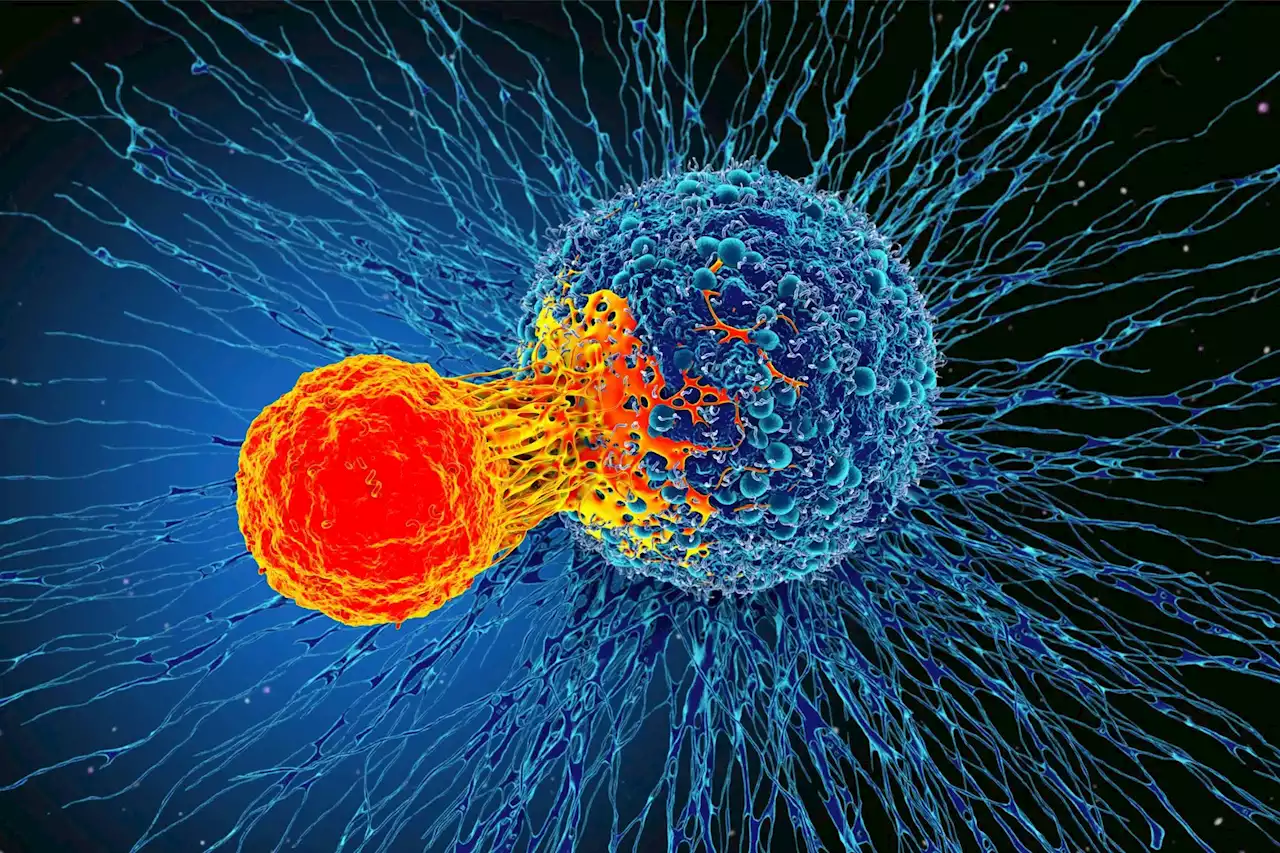 New Potential for Immunotherapy: Scientists Shed Light on How Immune Cells Respond to Cancer CellsAccording to a recent study, immune responses could potentially be enhanced even in patients who do not exhibit any visible clinical response. A research team has, for the first time, identified and analyzed the process by which immune cells 'see' and react to cancer cells. This provides valuable i
Read more »
 Curving the Fabric of Space – Scientists Develop a New Quantum MaterialAn international team, headed by the University of Geneva (UNIGE), has created a quantum material that allows the fabric of the space inhabited by electrons to be curved on demand. The advent of cutting-edge information and communication technologies presents scientists and industry with new hurd
Read more »
 Research with exotic viruses risks a deadly outbreak, scientists warnWhile the coronavirus pandemic showcased the need for science to respond quickly to global crises, it also exposed major gaps in how high-stakes research is regulated, according to interviews and a review of thousands of pages of biosafety documents.
Read more »
1,300+ Scientists Urge JPMorgan Shareholders to Vote for End to New Fossil Fuel Financing'It's time for big banks to listen to the science and stop funding climate destruction,' said Arielle Swernoff of StopMoneyPipe.
Read more »
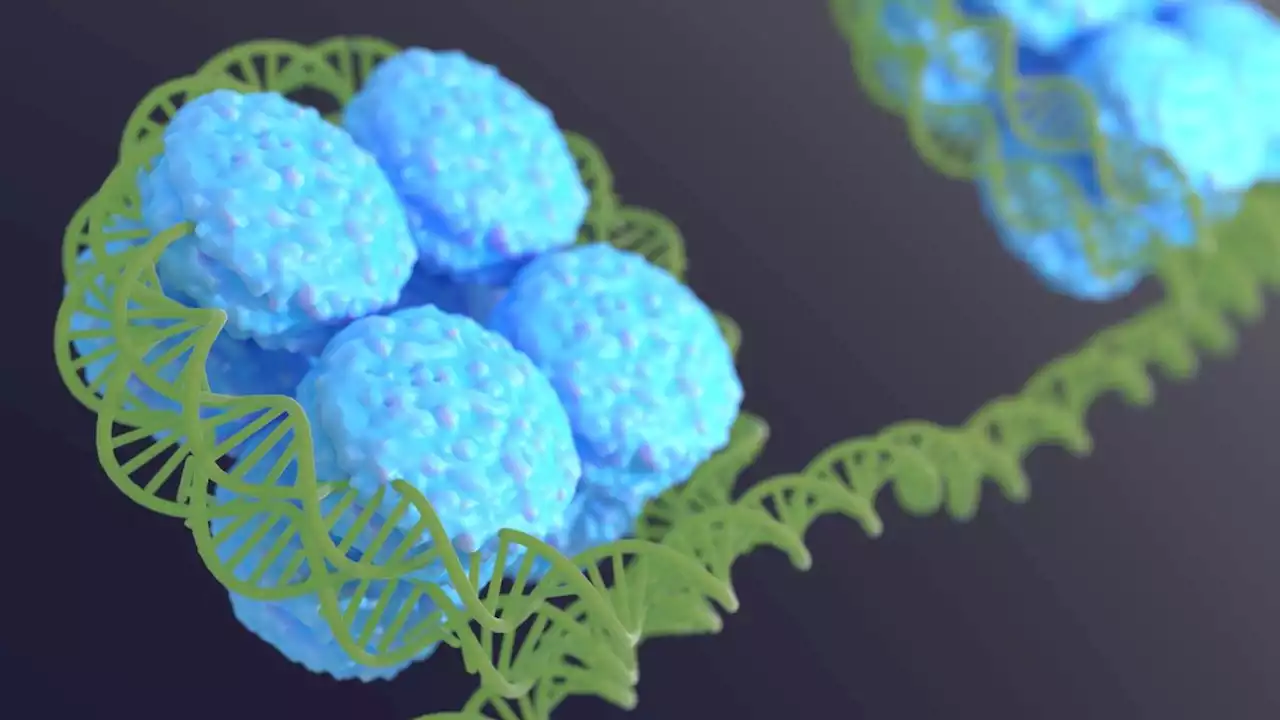 Mysterious 'cryptic' molecules made by zombie cells may drive aging, scientists sayNicoletta Lanese is the health channel editor at Live Science and was previously a news editor and staff writer at the site. She holds a graduate certificate in science communication from UC Santa Cruz and degrees in neuroscience and dance from the University of Florida. Her work has appeared in The Scientist, Science News, the Mercury News, Mongabay and Stanford Medicine Magazine, among other outlets. Based in NYC, she also remains heavily involved in dance and performs in local choreographers' work.
Read more »