


Scientists at China's Tiangong space station have developed a new niobium-silicon alloy that could revolutionize hypersonic technology. The breakthrough material can withstand extreme temperatures, a major hurdle for hypersonic engines.
Three-year-long experiments conducted at China’s Tiangong space station have yielded groundbreaking results which can boost the performance of hypersonic missiles and vehicles. Scientists have used this data to create a new material: niobium-silicon alloy. Niobium is a rare metal primarily used in high-performance steels. Turbofan engine blades made from niobium-silicon alloy can endure extremely high temperatures of over 3,092 degrees Fahrenheit (1,700 degrees Celsius).
Niobium-silicon alloy is incredibly difficult to produce. Until now, the niobium-silicon alloy faced two major challenges for mass production: slow crystal growth and brittleness. Forming the strong crystals often requires a long time – around 100 hours at nearly 2,912 degree Fahrenheit (1,600 degrees Celsius). Moreover, the resulting material is highly brittle at room temperature, which makes it unsuitable for use in engine manufacturing. The team led by Wei Bingbo, an academician of the Chinese Academy of Sciences and professor with the Northwestern Polytechnical University, has successfully overcome the challenges associated with niobium-silicon alloy production. They developed a rapid cooling method that enables the production of high-quality niobium-silicon crystals at a speed of nearly 3.5 inch (9 centimeters) per second. This dramatically reduces the production time compared to traditional methods. The team also incorporated a small amount of hafnium into the alloy to enhance the crystals’ strength. This increased its strength at room temperature by over three times. This improvement addresses the brittleness issue and makes the alloy suitable for use in demanding engine manufacturing processes. the US has imposed sanctions on Chinese universities like Northwestern Polytechnical University, hindering their research.This has led to increased Chinese government and military support, enabling Wei’s team to conduct experiments on the Chinese space station since 202
HYPERSONIC MISSILES NIOBIUM-SILICON ALLOY SPACE STATION MATERIAL SCIENCE CHINA
Canada Latest News, Canada Headlines
Similar News:You can also read news stories similar to this one that we have collected from other news sources.
 Edge of Space: A Thrilling Short Film Inspired by the Space RaceA new short film, 'Edge of Space', is making waves in the film festival circuit. Set during the height of the Cold War space race, the film follows a brave USAF test pilot recruited by NASA for a suborbital mission.
Read more »
 Chinese astronauts perform record-breaking 9-hour spacewalkTwo Chinese astronauts have performed the longest-ever single spacewalk, from the Tiangong space station.
Read more »
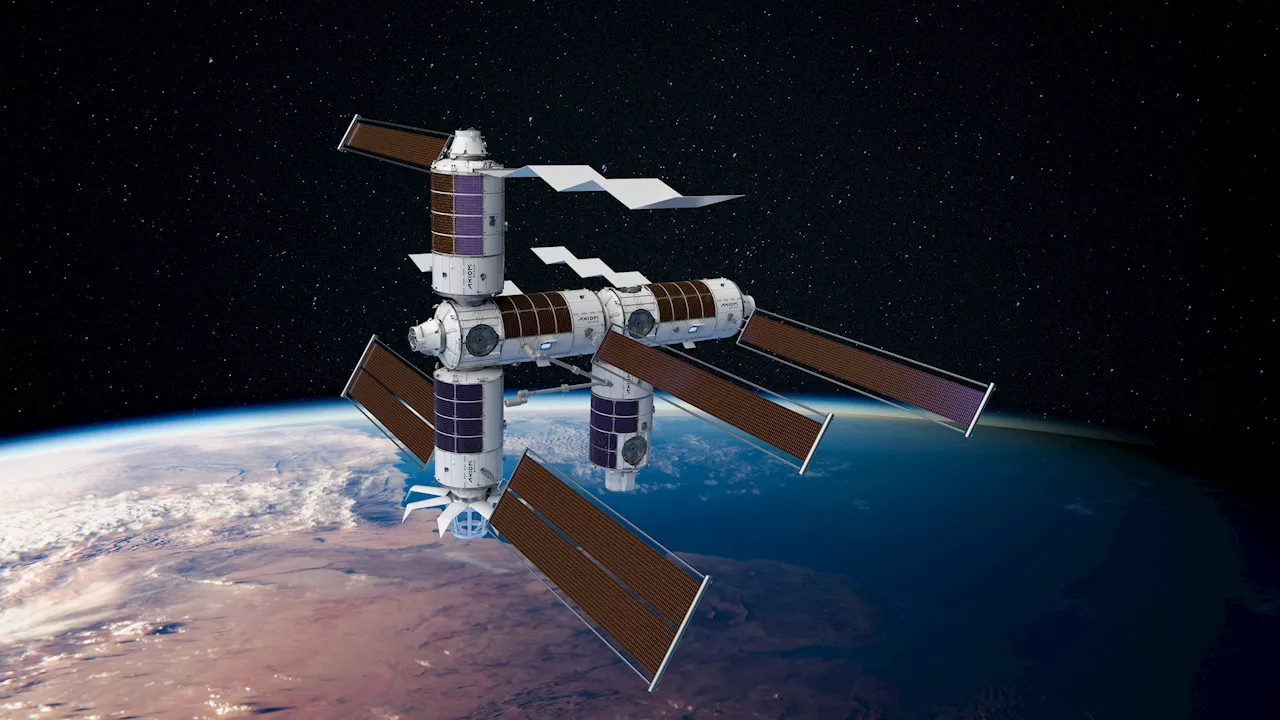 Axiom Space Adjusts Assembly Sequence for Earlier Free-Flying Space StationAxiom Space, in partnership with NASA, has modified its planned assembly sequence for its commercial space station, Axiom Station. This change aims to accelerate the station's operation as a free-flying entity and reduce dependence on the International Space Station (ISS) during assembly. The new sequence will see the Payload, Power, and Thermal Module launched first, allowing the station to detach from the ISS as early as 2028. Axiom will then continue assembly in free-flight, adding modules like Habitat 1 and the Research and Manufacturing Facility.
Read more »
 Axiom Space Adjusts Plans for Commercial Space StationAxiom Space has modified its assembly sequence for its planned commercial space station, Axiom Station, to accelerate its operation as a free-flying space station and reduce reliance on the International Space Station during assembly. The new plan involves launching the Payload, Power, and Thermal Module first, allowing it to detach as early as 2028 and become a free-flying destination. Axiom Space will continue assembly in free-flight, adding additional modules like Habitat 1 and the Research and Manufacturing Facility.
Read more »
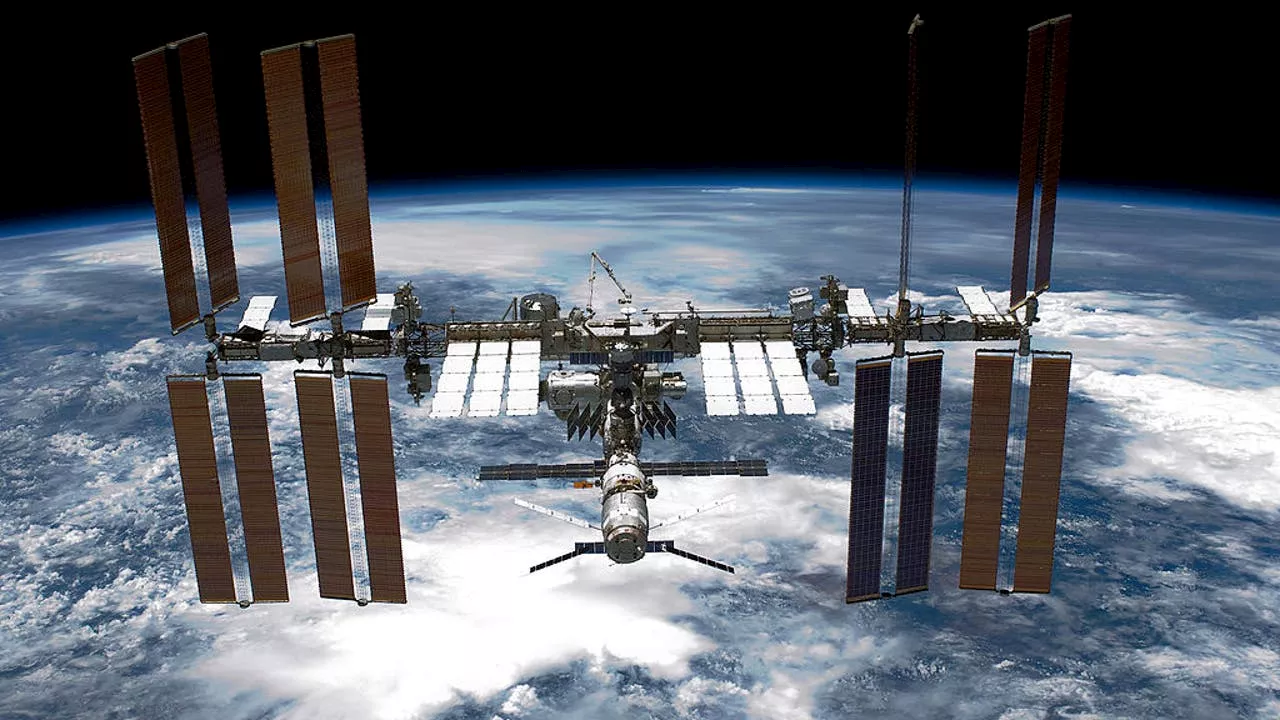 Space Debris Threatens Future of Space TravelThousands of defunct satellites and fragments orbit Earth at dangerous speeds, posing a significant risk to space travel. Experts warn that this space debris could lead to Kessler Syndrome, a chain reaction of collisions that makes parts of Earth's orbit unusable. The European Space Agency reports that only 10,200 out of 13,230 satellites launched remain in orbit, and defunct satellites, rocket boosters, and even lost tools contribute to the growing hazard. Spacefaring nations are taking action to address this threat, with the ESA's Zero Debris Charter aiming to nearly eliminate space junk by 2030.
Read more »
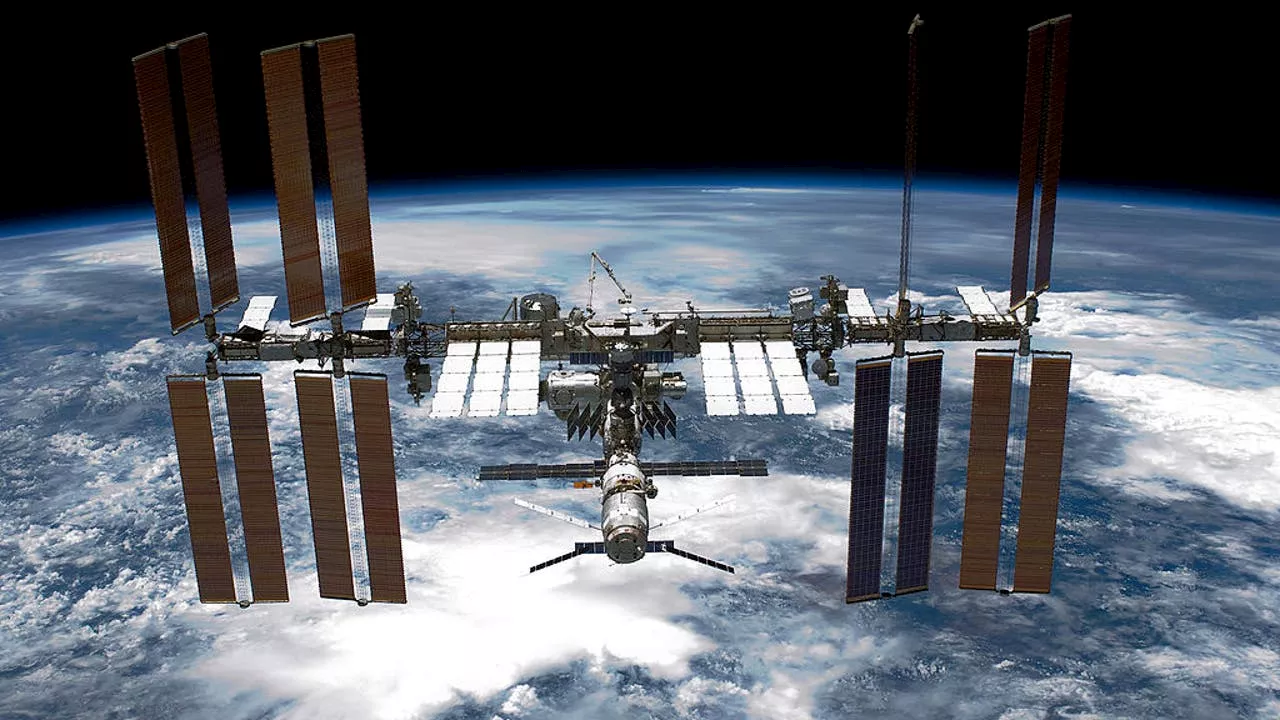 Space Debris Threatens the Future of Space TravelThousands of defunct satellites and fragments circling Earth at dangerous speeds pose a serious threat to future space exploration. Experts warn that the growing amount of space debris could make parts of Earth's orbit unusable.
Read more »